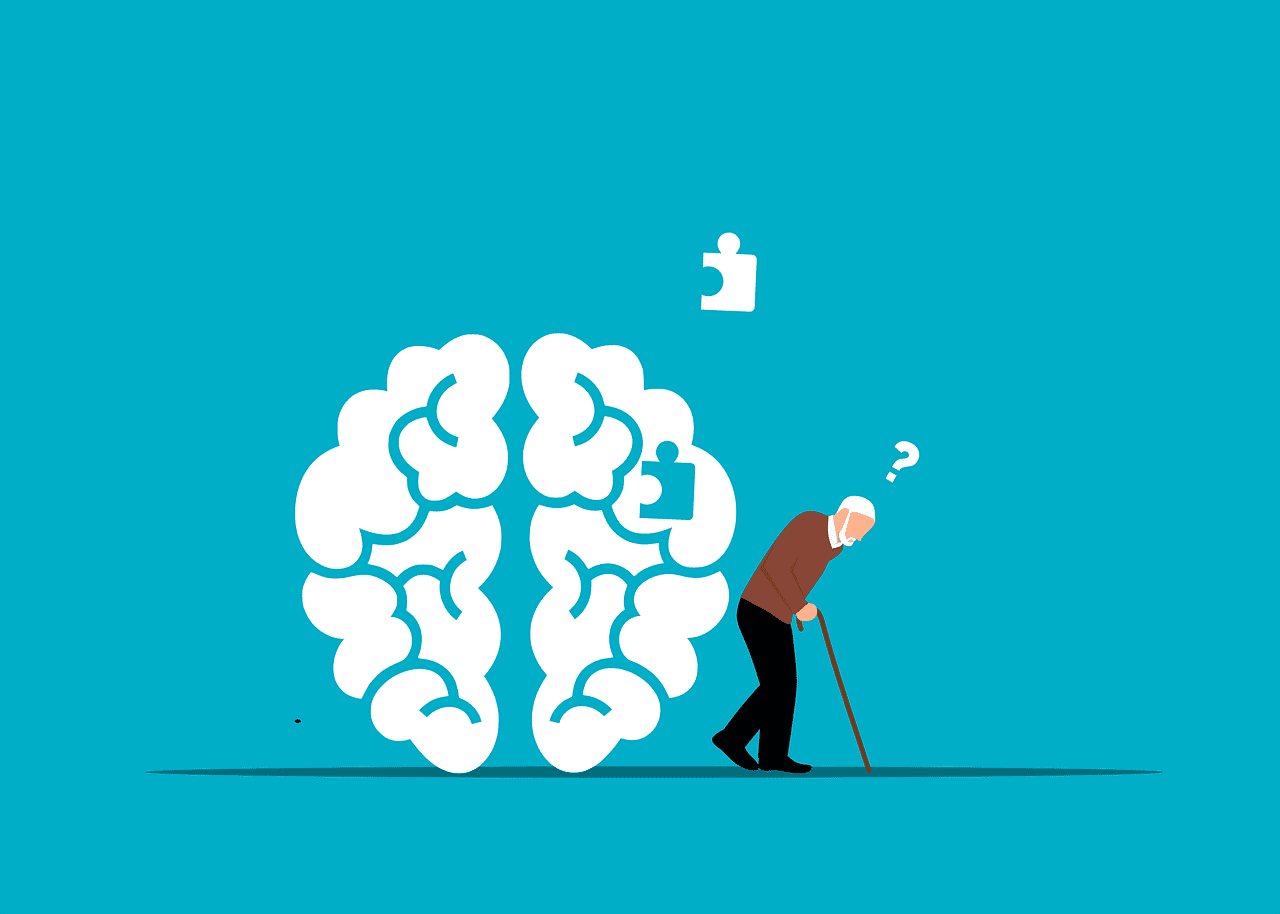
It’s normal to become more forgetful in older age. Our hippocampus—the part of our brain responsible for memory—shrinks slightly as we get older, which can cause us to misplace things more regularly or be less sharp at recalling information.
This is different from dementia. This brain disease results in brain cells dying off rapidly, which can cause much more severe memory loss, as well as many other changes to our cognitive functions and personality.
How do you tell the two apart? Whether you’re experiencing memory loss yourself or you’ve noticed a loved one becoming more forgetful, it’s important to monitor the signs so that you can take the right action. Below are a few questions to help you distinguish between forgetfulness and memory loss.

How severe is the forgetfulness?
There are different levels of forgetfulness. Mild age-related forgetfulness may include misplacing your keys or forgetting to remove the bins.
When forgetfulness gets more severe, you need to see a doctor. Early signs of dementia could potentially include:
- Getting lost in familiar places
- Having trouble remembering familiar people
- Asking the same questions over and over again
- Getting confused about the time (thinking it’s the morning when it’s the evening)
- Struggling to learn new things or follow instructions
- Forgetting to take food out of the oven or letting the bath overflow
- Forgetting to feed oneself, get dressed, or get washed
Once forgetfulness becomes unsafe or debilitating, it is a sign that it is not normal.
Is it getting worse?
Alzheimer’s is the most common form of dementia. It is a progressive degenerative disease - which means that it gradually gets worse over time.
Age-related memory loss usually results in mild forgetfulness, which does not get any worse. Someone with Alzheimer’s, on the other hand, may start out misplacing their keys but then start forgetting more significant things, such as not being able to find their way back home or forgetting the faces of friends and relatives.
It’s important to consider Alzheimer’s care if a loved one has reached a point where they are no longer able to look after themselves and are putting themselves in dangerous or distressing situations. This is particularly important if you or another relative cannot look after them.
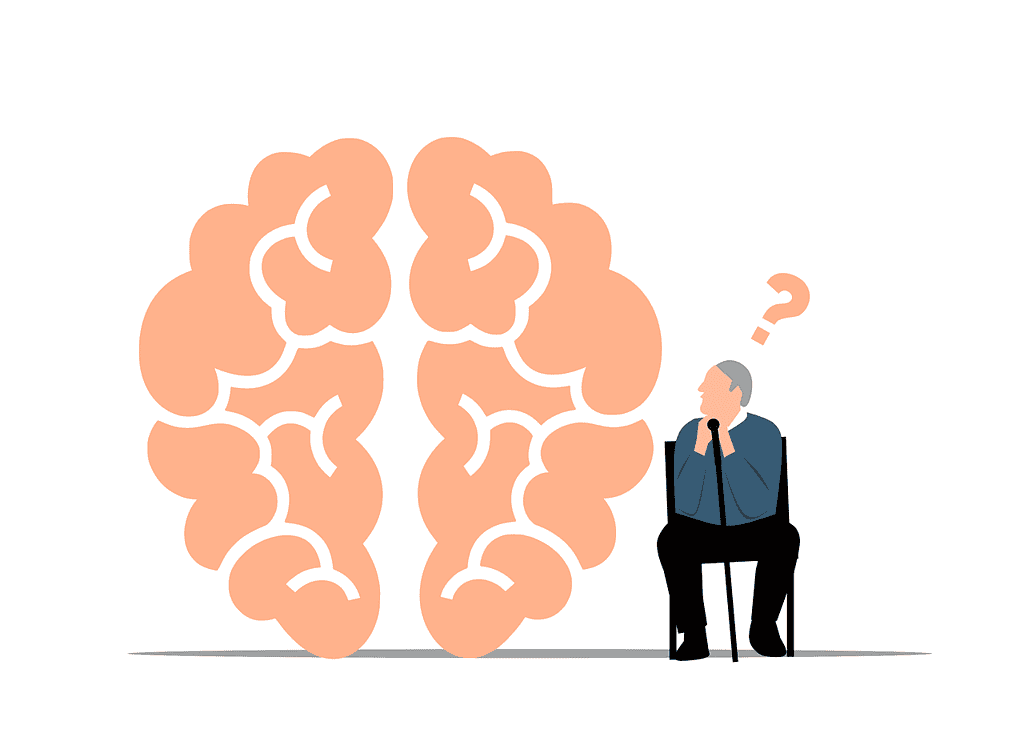
Could there be other causes?
Severe memory loss is not always caused by dementia. It could be essential to consider some of the following things before setting a diagnosis:
- Do they drink a lot of alcohol? Or regularly take other substances?
- Have they started taking new medication such as new painkillers, antidepressants, or blood pressure medication?
- Have they been sleeping poorly? Do they suffer from insomnia?
- Have they recently gone through a very stressful event?
- Have they sustained a head injury recently?
- Are there other health conditions that could affect their memory, such as a vitamin B12 deficiency? Have they recently had a stroke, or have they been complaining about headaches?
Seeing a doctor could be the best solution if you are unsure of the cause. It may not be a permanent and progressive disease like dementia, but it could be something that’s still serious. Catching it early could make it easier to treat and prevent further damage to their health.
Other Posts That May Interest You

Wild & Worthy Book Review

The Book Review Linky

Financial Literacy for Moms: Building Security Before and After Divorce

Mostly Me Book Review: A Practical Menopause Journal & CBT Workbook

CSB Teen Study Bible Review: Giving Teens Room to Explore Their Faith