Most of us don’t think much about car safety until something goes wrong. Maybe you forgot to lock the doors once or left your bag in plain sight. We’ve all had those “it’ll be fine” moments. But with how quickly things can happen, being a little more cautious goes a long way.
You don’t need to install a complete security system or learn how to be a mechanic. What matters is paying attention to the basics and developing habits that require minimal effort. You’ll feel better knowing you’ve done your part.
In this article, you will find seven smart tips that are easy to apply and can make a big difference in how secure your car really is.

1. Lock Your Doors and Windows Every Time
It’s simple, yet people still forget. Perhaps you're just stepping out for a moment or filling up at the gas station. Even then, leaving your car unlocked for a short while can be risky.
Therefore, make it a habit to double-check. Even if your car locks automatically, give it a second look. Also, always roll up the windows, even if the weather’s warm. Small details like this help you stay ahead. It’s a basic habit, but one that protects you from a lot of unnecessary trouble.
2. Choose Smart Parking Spots
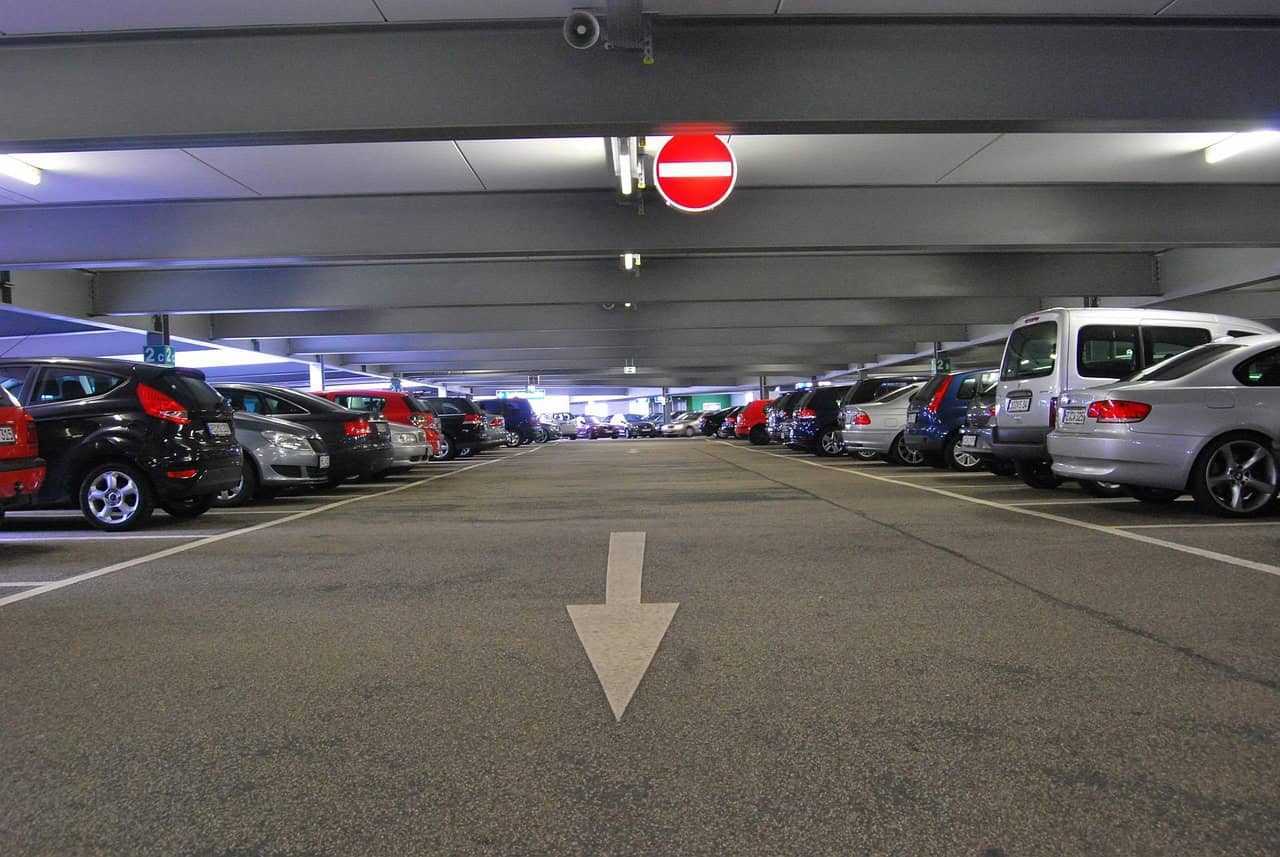
Where you park can affect your car’s safety. Thieves are less likely to mess with cars parked in well-lit, visible areas. So, try to park where there’s regular foot traffic or near building entrances.
When parking at night, look for areas with streetlights or those near active businesses. At home, consider setting up a sensor light or camera near your driveway. If your parking area looks like someone is watching, it usually stops trouble before it starts.
3. Don’t Leave Anything Tempting Inside
A shopping bag. A laptop case. Even a phone cable. These might not seem like a big deal, but anything visible inside your car could tempt someone to break in.
To prevent this, keep the inside of your car clean and empty. Store your things in the glove box or trunk if you really need to leave them behind. It’s best to do that before you park, so no one sees you hiding valuables. A few seconds of carelessness can lead to hours of frustration later.

4. Use Anti-Theft Devices That Actually Work
Physical tools like steering wheel locks or brake pedal locks are still useful. They are visible, and they make your car look like more trouble than it’s worth.
Additionally, for enhanced security, consider using a kill switch or a remote immobilizer. These tools block the engine from starting unless you turn the system off. You can shop car anti theft products from brands that offer solid, tested gear. It’s about getting quality tools, not just ones that look good. Additionally, using visible deterrents often encourages thieves to move on to an easier target.
5. Add a Car Alarm or GPS Tracker
A car alarm might seem old-school, but it still works. Loud sounds scare off potential thieves. For greater control, consider installing a GPS tracker. These devices can display your car’s location in real-time and help you recover it quickly if it’s stolen.
Moreover, some systems send alerts straight to your phone if the car moves without you. That kind of instant update can give you a sense of control, especially in crowded or unfamiliar places. Modern alarms can also let you monitor your car remotely, which adds extra comfort when you're away.

6. Don’t Leave It Running and Walk Away
You know those quick stops where you leave the engine running because you’ll “just be a second”? That’s all the time someone needs.
Instead, never leave your car idling while you step away. Always turn off the engine and take the keys with you. This also applies at gas stations or ATM stops. These areas are easy targets if you’re not alert. So, rather than saving time, you might end up creating a problem.
7. Keep Your Car in Good Working Condition
This one’s easy to miss, but it matters. A car that breaks down or has electrical issues can suddenly become more vulnerable. If the locks stop working or the alarm acts up, your car might be at risk.
That’s why, when you get routine maintenance, take a moment to check the basics. Are the locks working well? Do the windows roll up properly? Is your alarm doing its job? Keeping your car in good shape also helps keep it safe. Don’t ignore small signs of trouble because they can lead to bigger problems.
Final Thoughts
You don’t have to do everything at once. Just start with one or two steps that feel right, then build from there. Small changes in your daily routine can help you avoid big problems later. In the end, it’s not just about preventing theft. It’s also about feeling at ease every time you walk away from your car. That peace of mind is worth a little extra care.
Other Posts That May Interest You

The Book Review Linky

Financial Literacy for Moms: Building Security Before and After Divorce

Mostly Me Book Review: A Practical Menopause Journal & CBT Workbook

CSB Teen Study Bible Review: Giving Teens Room to Explore Their Faith

How to Make Money From Your Phone Book: Is It Worth Reading?