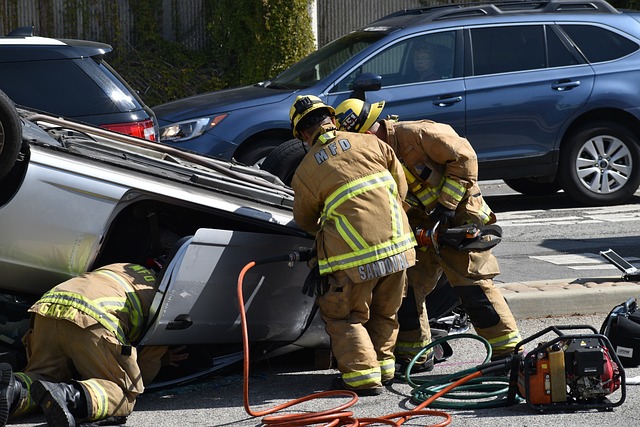
Car crashes can happen anywhere—on a busy Los Angeles freeway, a rural backroad, or just blocks from home. In the first few moments, it's normal to feel shocked or unsure of what to do next; however, how you respond in the first 24 hours matters more than many people realize.
Taking the right steps early can help protect your health, secure essential information, and set the stage for fair treatment later. If you ever find yourself in this situation, here are five practical things to do immediately following a crash.

Check for Injuries and Call Emergency Services
Your safety comes first. If you're able to move, check yourself and anyone else involved for injuries. Don't assume someone else has already called for help. Dial 911 as soon as possible.
Even in minor crashes, it's important to have emergency services on the scene. Police officers create an official accident report, which can be useful later for insurance or legal claims. Paramedics can also evaluate injuries that may not be visible, especially if someone feels dizzy, sore, or confused.
If the crash blocks traffic or puts others at risk, turn on your hazard lights and move your vehicle to a safer spot if you can do so without harm.
Get Medical Attention
Not all injuries are obvious right away. Some, like soft tissue damage or internal injuries, may take hours to show symptoms.
Even if you feel okay, visit an urgent care center or your doctor within a few hours. They can check for hidden injuries and record your condition right after the crash. This helps with both recovery and any insurance or legal steps that might follow.
If you delay seeing a doctor, it may be harder to prove that your injuries were caused by the crash, especially if symptoms appear days later.
Keep copies of all records, prescriptions, and test results. These documents are useful if you need to file a claim.

Contact an Accident Lawyer or Attorney
If the crash involved injuries, significant vehicle damage, or unclear responsibility, speaking with an attorney early on can help. A qualified accident attorney can explain your rights, guide you through paperwork, and deal with the insurance companies on your behalf. They can also help gather evidence, review your medical records, and calculate what your claim might be worth. Their insight can make a big difference in how your case moves forward and what outcome you receive.
Remember, the sooner you reach out, the easier it is to protect your position and avoid costly mistakes. The best part is that most attorneys offer free consultations, and many work on a contingency fee basis—meaning you don't pay unless they recover money.
Document the Scene
Once everyone is safe and emergency services are coming, take a few moments to gather key details.
Use your phone to take photos of:
- The vehicles involved
- Any visible damage
- License plates
- The road and weather conditions
- Traffic signs and signals nearby
Also, take down the other driver's name, contact details, and insurance information. Avoid discussing who was at fault or making assumptions about the cause of the crash. These details will be reviewed later, and anything said at the moment can be misinterpreted.
If there were witnesses, ask for their contact information, too. Their perspective can help clear up details if needed later.
Notify Your Insurance Company
Most insurance policies require you to report an accident within a short time. Even if the crash was minor, notify your insurer immediately.
When speaking with them, stick to the facts. Give clear details about where the crash happened, who was involved, and what damage occurred. Avoid guessing or saying anything that could sound like admitting fault.
If you've already spoken to an attorney, they can help you understand what to say—and what not to say—when reporting the incident. This reduces the chance of delays or claims issues later.
Keep a record of the call and any documents you submit. If repairs are needed, ask about preferred shops or the next steps for getting your vehicle assessed.
Last Words
No one expects to be in a car crash, but accidents happen daily. How you respond—especially within the first 24 hours—can affect your recovery, finances, and peace of mind. So, staying calm and taking these steps won't undo what happened, but they'll help you take control of what comes next. And in moments like these, that can make all the difference.
Other Posts That May Interest You

CSB Teen Study Bible Review: Giving Teens Room to Explore Their Faith

What New Technology Means for the Future of Hands-On Jobs

Shattered Moments in Life: Holding Onto Faith When Nothing Makes Sense

The Strength of Women Through Life Changes

Creating a Nurturing Environment for New Babies