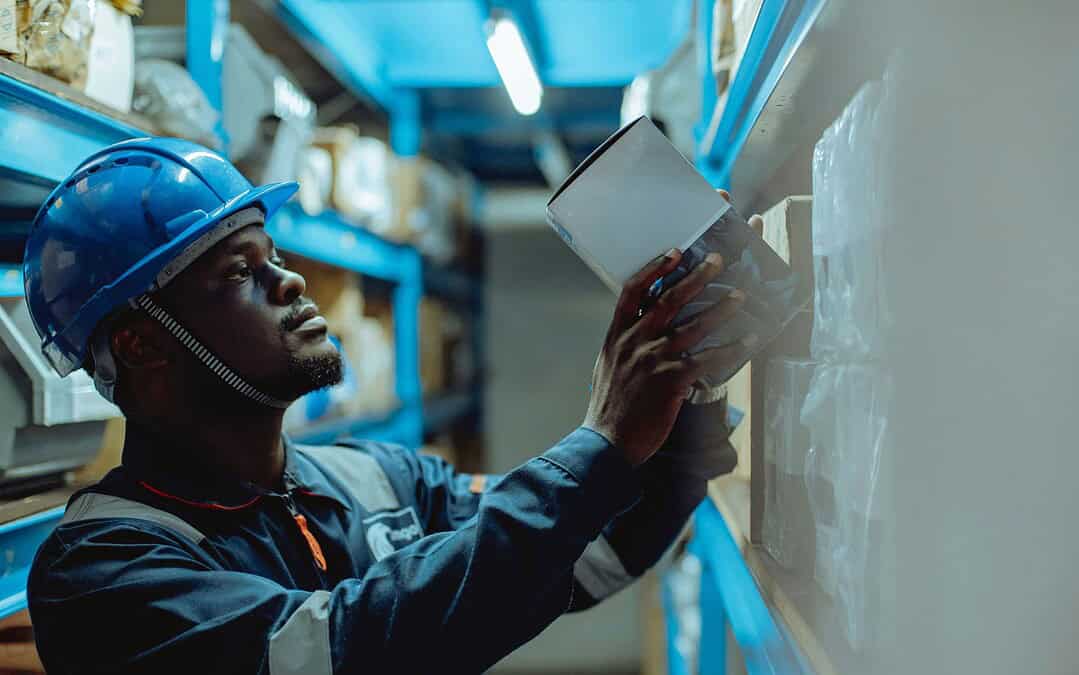
The talk about technology and jobs often conjures up images of robots taking over, pushing humans out of the picture. But for many hands-on professions, the future looks less like replacement and more like teamwork. New technology isn't just eliminating tasks; it's transforming them, making physical work safer, smarter, and more efficient than ever.
Instead of worrying about becoming obsolete, we're seeing a new wave of innovation that empowers skilled workers, especially as career technical education is reshaping the future. The tools are changing, but the need for human expertise, problem-solving, and adaptability remains central to these essential jobs.
The Myth of Replacement: Augmentation is the New Reality
For years, people have said automation will wipe out manual labor. While it's true that some repetitive tasks are being automated, the bigger story is about technology helping people do their jobs better. It's becoming a partner to the hands-on worker, not a replacement. Think of it as giving a skilled professional superpowers.
For example, an electrician might use an augmented reality (AR) app on a tablet to see a building's wiring layout right on the wall they're working on. This doesn't replace their knowledge of circuits; it improves it, reducing errors and speeding up how quickly they can find problems. Similarly, a farmer can now use drones to check on crop health from above, letting them apply water or fertilizer with incredible accuracy. The farmer's expertise is still crucial, but technology gives them a powerful new way to see things.
Smarter Tools for Smarter Work
The way hands-on work is changing is clearest in the tools themselves. They're becoming more connected, smarter, and more capable. GPS technology is now standard in construction and agriculture, ensuring grading and planting are precise. Wearable sensors can monitor a worker's vital signs in hazardous environments, alerting the worker and their supervisors to potential risks such as heat stress or toxic exposure.
This trend also applies to personal protective equipment. Helmets, for instance, are no longer just simple protective shells. Modern systems can include communication headsets, heads-up displays, and lights. Specialized gear like IHPS helmet accessories lets people in demanding fields customize their equipment for specific tasks, making both safety and operations better. This ability to put technology directly into the gear people wear every day is key to making hands-on jobs safer and more effective.
The Growing Need for Tech-Savvy Tradespeople
Smarter tools mean workers need to be smarter too. Tomorrow's mechanic won't just need to know how to turn a wrench; they'll need to diagnose an engine using advanced software. Plumbers might work with smart water systems that predict leaks before they happen. This shift means that technical skills are becoming just as important as traditional trade skills.
According to research into the future of jobs and training, ongoing education will be vital. Vocational schools and apprenticeship programs are already updating their courses to include training on new software, robotics, and diagnostic equipment. The most successful tradespeople will be those who keep learning throughout their lives and see technology as another tool in their belt. It's about mixing classic craftsmanship with modern digital know-how.
How New Tech Creates New Hands-On Opportunities
While some job tasks might shrink, technology is also creating entirely new types of hands-on work that didn't exist even ten years ago. The renewable energy sector, for example, has created a huge demand for wind turbine technicians who climb hundreds of feet to maintain and repair complex machinery. The growth of e-commerce has led to a logistics boom, with new roles in advanced warehouse management and delivery operations.
These aren't desk jobs. They are physical, skilled positions that require a deep understanding of new systems. As we see more advances in technology, we can expect even more new roles to pop up. Drone pilots for site inspections, robotics maintenance specialists, and 3D printing technicians for custom manufacturing are just a few examples of roles that are growing fast.
The future of hands-on work is bright, dynamic, and full of opportunity. By embracing new tools and committing to continuous learning, skilled workers can not only secure their place in the economy but also lead the way in building a more efficient and innovative world.

CSB Teen Study Bible Review: Giving Teens Room to Explore Their Faith

What New Technology Means for the Future of Hands-On Jobs

Shattered Moments in Life: Holding Onto Faith When Nothing Makes Sense

The Strength of Women Through Life Changes

Creating a Nurturing Environment for New Babies