
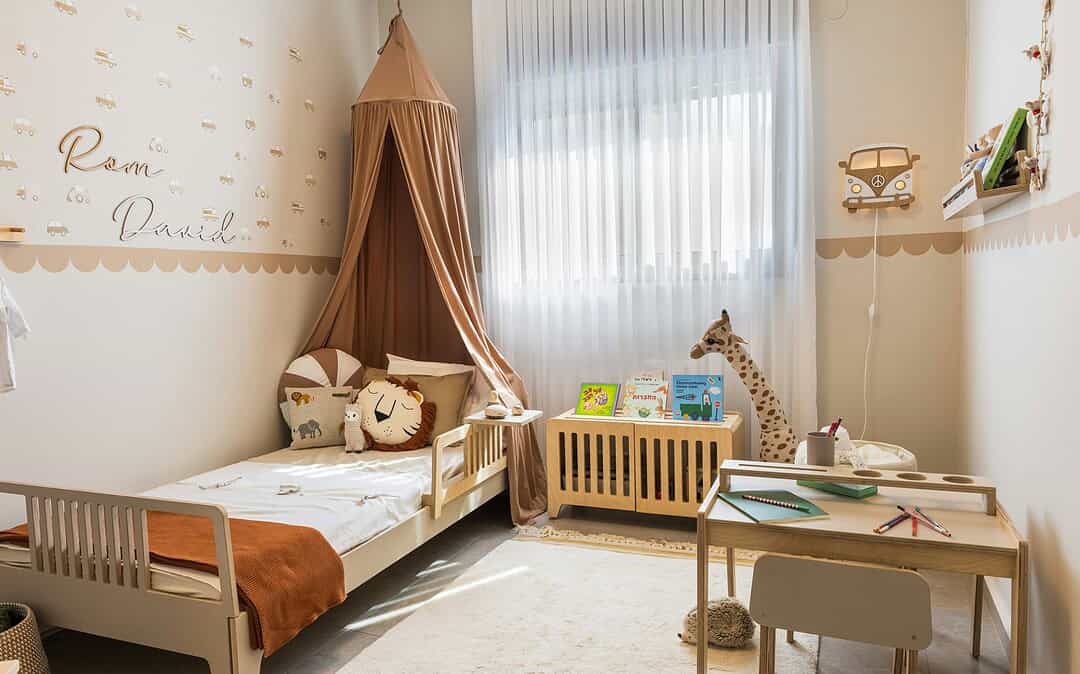
Bringing a new baby home is an exciting, life-changing experience. As you get ready for your little one, you’ll naturally want to create a space where they feel safe, loved, and comfortable. This means more than just decorating a room; it’s about carefully creating an environment and routine that support your baby’s physical and emotional growth right from the start. Let’s look at how you can create a truly nurturing space for your newborn.
Designing the Nursery Space
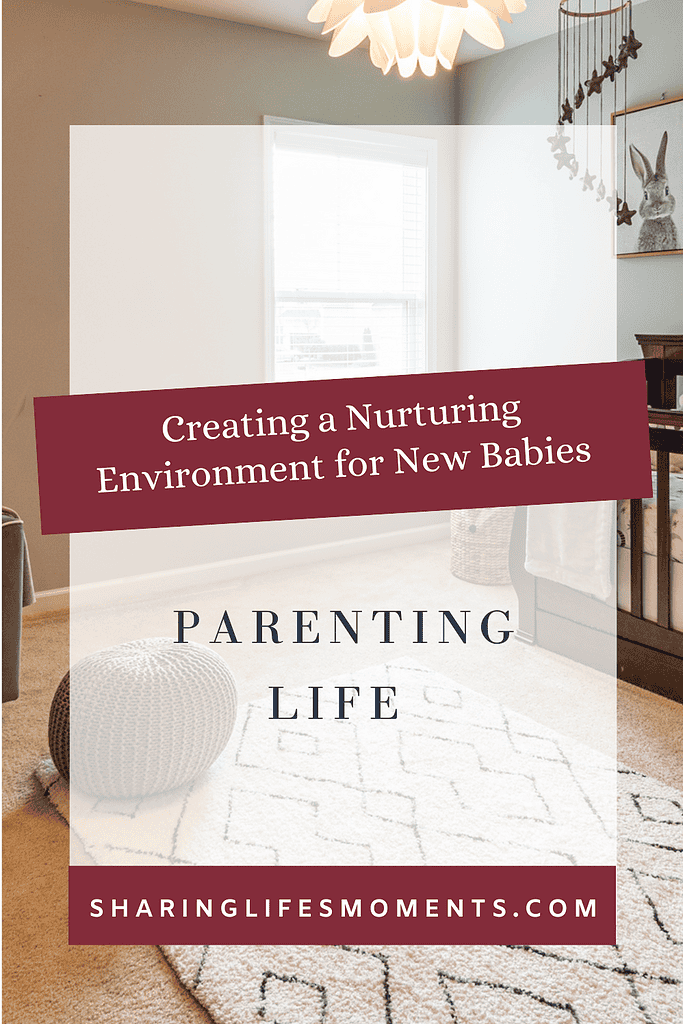
Your baby’s nursery will be their first little world, so making it calm and practical is key. Start with soft, soothing colors like neutrals or gentle pastels, as bright colors can be too much for a newborn. Think about the lighting; a dimmer switch or lamps with soft bulbs can create a gentle mood, especially for late-night feedings and diaper changes.
When you plan the room, focus on what works best. Some science-based nursery tips suggest that a simple, uncluttered space is ideal. Keep furniture to a minimum: a crib, a changing table, and a comfy chair for feeding are all you really need. A good guide to decorating your baby room can help you find the right balance between how things look and how well they work. Make sure the room has good airflow and that the crib isn’t near windows, cords, or heavy wall decorations for safety.
Essential Items for Newborn Comfort
It’s easy to get caught up in buying all sorts of baby gadgets, but you only need a few key items to keep your newborn comfortable. A safe place to sleep is the most important thing. Many parents find that a best bedside baby bassinet offers both comfort for the baby and makes nighttime feedings easier, keeping your little one close by but in their own sleep space.
Beyond the bassinet, focus on things that touch your baby’s skin. Stock up on soft, breathable clothes made from natural materials like cotton. Swaddle blankets are also a must-have for many newborns; they feel like the snugness of the womb and can help calm a fussy baby. A dedicated changing area with all your supplies within reach will make diaper changes quicker and less stressful for everyone.
Fostering Emotional Security
A nurturing environment isn’t just about physical comfort; it’s also about emotional connection. Your baby learns to feel secure through their interactions with you. When you respond to your baby’s cries quickly and kindly, it teaches them that their needs will be met and that they are safe.
Spend lots of time with skin-to-skin contact, especially in the first few weeks. This simple act helps regulate your baby’s heart rate, breathing, and temperature, all while strengthening your bond. Setting up gentle routines for feeding, sleeping, and playing can also help your baby feel secure. They start to learn what to expect, which creates a predictable and comforting world for them to grow up in.
Involving All Family Members
Creating a supportive atmosphere involves the whole family. A new baby can be a big adjustment for everyone, including partners and older siblings. Encourage your partner to be actively involved in caring for the baby, like bathing, dressing, and comforting them. This not only gives you a much-needed break but also helps your partner build their own special bond.
If you have older children, find ways for them to help that are age-appropriate. A toddler could bring you a diaper, while an older child might enjoy reading a story to the baby. Helping them feel like an important part of the baby’s life can ease any jealousy and help build positive sibling relationships from the start. Grandparents and other close relatives can also offer huge support, whether by holding the baby so you can shower or helping with chores around the house.
Prioritizing Parental Well-being
You can’t pour from an empty cup. A crucial, but often overlooked, part of creating a nurturing environment for your baby is taking care of yourself. The newborn phase is demanding, and parental burnout is real. Your well-being directly affects how present and responsive you can be as a caregiver.
Make a real effort to accept help when it’s offered. Let a friend bring over a meal or a family member watch the baby while you nap. Try to sleep when the baby sleeps, even if it’s just for a quick 20-minute rest. Stay connected with your partner and talk openly about how you’re both feeling. Remember, taking care of your own physical and mental health is one of the best gifts you can give your new baby.
Creating a nurturing home is a continuous act of love. By focusing on a calm space, emotional connection, and your own well-being, you’ll build a wonderful foundation for your baby’s first years.
Other Posts That May Interest You

What Are the Benefits of Building Toys for Kids?

The Ultimate Puppy House Training Guide

7 Kid-Safe Medicines Every Mom Should Keep at Home
When your child gets sick, every second counts. This becomes especially dreadful in the middle…

Running a Business with Young Kids
Running a business while raising young kids is not for the weak. There were seasons…

Chores for Kids: Appropriate Chores For Every Age

Engaging Home Activities to Keep Your Kids Entertained
Gain Additional Productivity Tips with the 70+ Productivity Tips eBook

Life gets busy. Dreams get pushed aside. We all need a little help sometimes. Join the Sharing Life’s Moments newsletter for practical tips, honest encouragement, and instant access to my 70+ Productivity Tips eBook and other free resources.