
I have been raising and training dogs and horses since I was a child. Through the years, I've earned many dog show awards from dogs I've worked with. I've also fostered many puppies that I've housebroken and helped them find great homes. Due to this experience, I feel confident in my ability to help you properly and smoothly house-train your puppy. I hope this ultimate puppy house training guide helps you raise puppies who add more pleasure to your home versus more headaches.
Things You Do Need For Puppy House Training
You need a leash and a collar. Even if your puppy is extremely small, you can use a kitten collar for them.
You also need a timer of some kind for whoever is going to be doing the house training. If a kid is doing the training and they don't have an electronic with a timer, invest in an egg timer for them to use.
You need a lot of patience. This whole process will take two to three weeks for it to FULLY set in for your puppy.
Be prepared to be consistent. Just like toddlers, puppies need routines and schedules.
First Things First
Puppies are like toddlers learning how to potty train. They want to make you proud, and they want to do the job right. However, they ARE going to have accidents. There are some trainers that fully stand behind puppy pads, but I have NEVER used them. The reason I don't choose to use them is that, in my mindset, they teach a puppy that it's okay to use the restroom in a house. Plus, it's a harder transition to get them to use the restroom outside. It's adding an extra step to the already long process.
The leash and collar help you monitor your puppy's progress on house training. Plus, they tell your puppy that when they are on the leash, they are to fully mind you and do their business. It's NOT playtime. (I do encourage time off the leash outside, provided your puppy comes when called by its name!)

Creating a Routine
Your puppy's bladder doesn't allow them to hold using the restroom for very long until they are about 12-14 weeks old (and even then, it's not much longer of a period.)
I have typically taken my puppies out first thing in the morning. Usually, they are quick to do both numbers. However, sometimes they aren't. If they do not do both numbers, I take them in and let them eat, but 10 minutes later, I take them back out. The chances are high that they will do number two.
Then, I let them finish eating. About forty-five (45) minutes after they finish eating the best dog food for their breed, I take them out again.
Then, you need to set a timer for an hour. Then, take them outside on a leash to a designated location to use the restroom. If I were you, I'd record what times of the day they use the restroom on average. This will help you set a routine that works for them and you.
Be sure to give your puppy the chance to eat again around lunchtime. Yes, after they eat, take them out 45 minutes after the fact.
As far as nighttime routines, I have always fed my puppies really well, around 10-10:30 pm. Then I take them out 45 minutes later. Typically, this will get my puppies through the night until at least 5-6 AM. Sometimes when they are extremely young 5-6 weeks old, they may wake you up around 1-1:30 AM.
Key Things to Watch For
One key sign you need to watch for when it comes to puppy house training is the way they request to go outside. Just like children, they have their own set of cues to tell you what they want/need.
Some puppies will quite literally grab a leash and go to the door or you with it. That's extremely rare, but it does happen. Other puppies will sniff throughout the entire room and look like they are looking for a place to do their business. That's when you discipline them, tell them NO, SHOW them the leash, and put it on them. Then IMMEDIATELY take them outside.
Other puppies will demand your attention until you take them out. They will shower you with kisses and even love paws. Some puppies will spin in circles around you until you take them out. If you're really lucky, you may even get a puppy that whines and paws at the door to go out.
The key thing to note when puppy house training is the dog's method of communicating its needs. If you listen to the dog and their requests, you are more likely to get the dog fully puppy house trained quicker.
I do give my puppies treats when they do both numbers outside. I will slightly pop their bottoms and show them their accidents when they have them and take them outside. I also say that they are bad in a stern voice. Again, dogs naturally want to please you and make you happy. So, for most puppies, this is enough to get them to do better.
Overall, the key thing to note is that puppy house training requires paying attention intentionally. You must be consistent in how you deal with it. Routines are KING!
What are some other tips you would add to puppy house training?
Other Posts That May Interest You
No post found!










Your post is making me miss my former dogs and horses! Solid advice for those into puppy training.
I’m glad that you agree. I totally get how reading this would make you miss them. I still miss owning horses.
Thank you for stopping by and commenting. I hope to see you again soon.
Hard work but so worth it! My mother in law is working with their new dog at the moment.
You’re right it is hard work, but well worth doing for the right dog.
Thank you so much for stopping by and commenting. I hope to see you again soon.
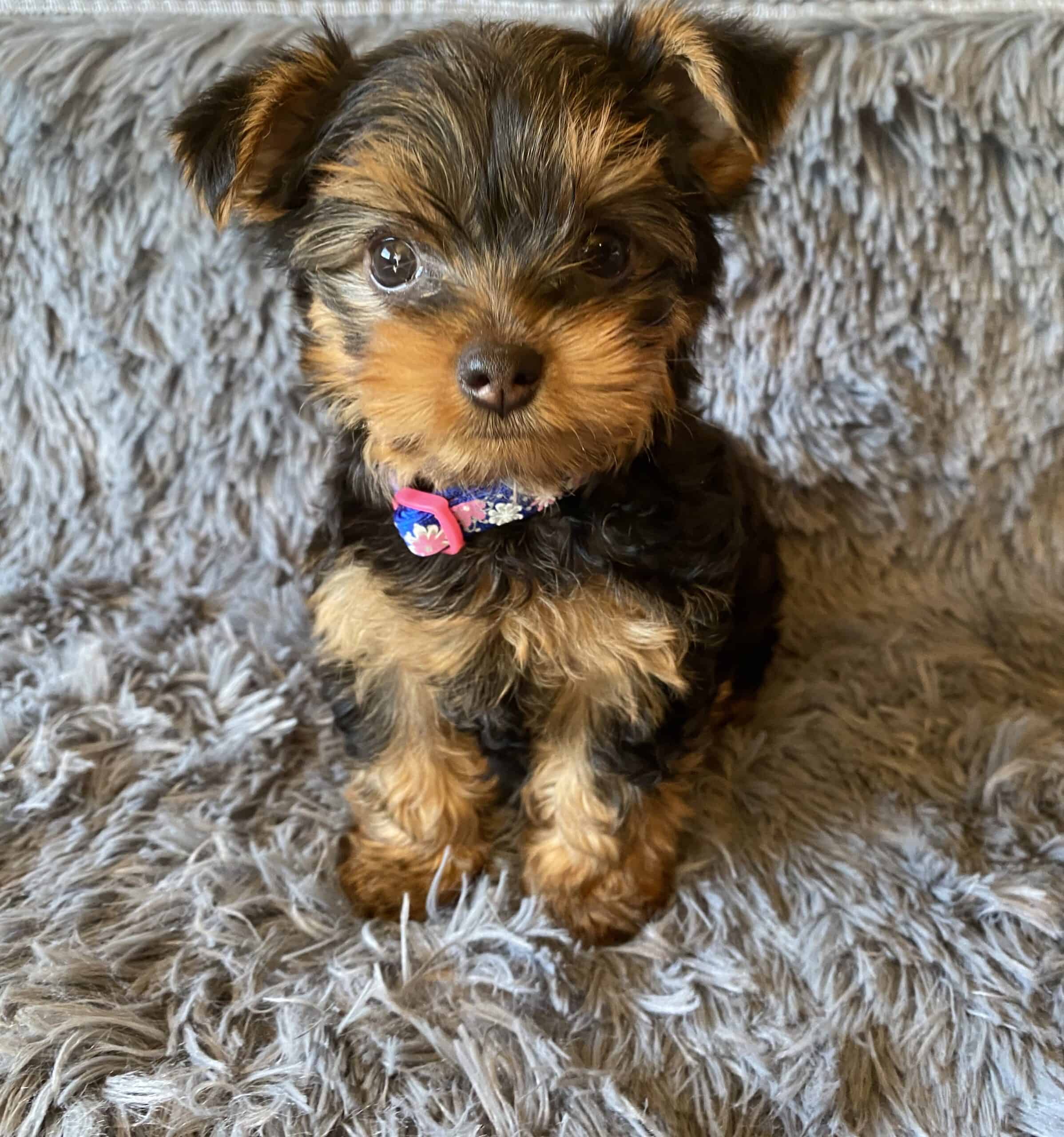
That is the cutest puppy I have ever seen. Visiting from the global blogging link up. laurensparks.net
This was so informative to read. I am going to have to print this one out thanks for the info we have a new puppy.
A really interesting read. Loads of good tips. I think we’re edging ever closer to getting a puppy, so I’ll have to remember some of this!
I hope it helps you with the puppy you’re going to get one day.
Thank you for stopping by and commenting. I hope to see you again soon.
I found it interesting that you have been training 2 dogs at once. I have 2 Corgi’s 2 months apart and I can’t get them to listen to me when they are both there. I am going to try your treat trick. Thanks.
It is definitely harder to try two dogs at once. But they do make double leashes. That may help you with this journey.
Thank you for stopping by and commenting. I hope to see you again soon.
Great tips. Puppies are certainly hard work. We’re just coming out the other side with our 12-month-old rottie puppy, although he is the size of a small pony now!
Thanks so much for sharing with #MMBC.
Rotties are such great dogs! My husband and I considered getting one years ago, but decided against it. Now, I don’t think I could physically handle owning one. But I do love them.
Thank you for stopping by and commenting. I hope to see you again soon. Thank you for the link up.