
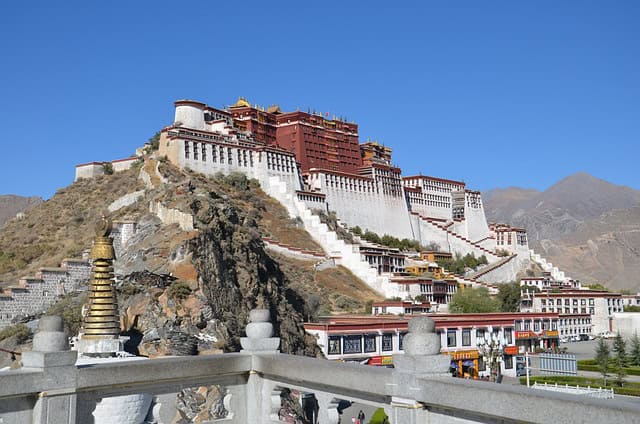
Tibet, often called the “Roof of the World,” captivates travelers with its unique blend of ancient Buddhist culture, dramatic landscapes, and spiritual significance. From the sacred Potala Palace in Lhasa to the serene beauty of Mount Everest, Tibet offers a once-in-a-lifetime experience. However, due to strict travel restrictions, visiting this mystical land requires careful planning and special documentation. Securing a Tibet permit is essential for all international travelers, making the preparation phase crucial. This article will guide you through obtaining the necessary permits and planning an unforgettable itinerary to explore Tibet’s wonders.
Getting a Permit: A Travel Essential
A Tibet permit is a mandatory document for all international travelers visiting Tibet, governed by the Chinese government to regulate tourism and protect the region’s cultural and political sensitivity. The Tibet Entry Permit is the primary document required to enter Tibet, but additional permits may be needed depending on your itinerary. For instance, the Alien Travel Permit is necessary for visiting restricted areas outside Lhasa. At the same time, a Military Permit is required for sensitive regions like Mount Kailash and the Tibetan-Nepal border.
To obtain these permits, travelers must work with a licensed Chinese travel agency, as individual applications are not accepted. The agency will arrange the Tibet permit as part of an organized tour, which is mandatory for international visitors—submitting your passport and visa details early, as processing times can vary. Navigating Tibet’s permit requirements can be a smooth process with the right preparation.
Choosing the Right Time to Visit Tibet
- Best Seasons: The ideal times to visit Tibet are spring (April to June) and autumn (September to October) when the weather is mild and the skies are clear, offering stunning views of the Himalayas.
- Seasonal Considerations: Certain permits or regions may be restricted during the winter due to heavy snow, and the monsoon season can make some areas difficult to access. Planning your visit during favorable weather conditions ensures a safer and more enjoyable experience.
- Festivals and Events: Consider planning your trip around Tibetan festivals like Losar (Tibetan New Year) or Saga Dawa, which offer a rich cultural experience and deeper insight into Tibetan spirituality.
Crafting Your Itinerary: Must-Visit Destinations in Tibet
- Lhasa and Potala Palace: Start your journey in Lhasa, the cultural and spiritual heart of Tibet. The Potala Palace, a UNESCO World Heritage site, is a must-visit landmark, towering over the city with its stunning architecture and deep religious significance. Don’t miss the Jokhang Temple, another spiritual center where you can observe Tibetan Buddhist rituals and the famous Barkhor Street.
- Everest Base Camp: Visiting the Tibetan side of Everest Base Camp is a highlight for the adventurous. This journey requires careful planning and an additional permit but rewards travelers with unparalleled views of Mount Everest from the northern side.
- Shigatse and Tashilhunpo Monastery: Shigatse, Tibet’s second-largest city, is home to the Tashilhunpo Monastery, the traditional seat of the Panchen Lama. The monastery’s grand halls and impressive Buddha statues make it a key stop on your itinerary.
- Other Key Destinations: Explore other iconic sites, such as the turquoise waters of Lake Yamdrok, the spiritual pilgrimage site of Mount Kailash, and the historic Ganden Monastery nestled in the mountains.

Navigating Tibet’s Travel Restrictions and Regulations
Tibet has unique travel regulations that all international travelers must follow. The most critical rule is that visitors must be part of an organized tour led by a licensed Tibetan guide, as independent travel is not permitted. This means all travel plans, from transportation to sightseeing, must be arranged through a certified travel agency.
Group size can affect flexibility, with smaller groups often able to adapt their itinerary more efficiently based on conditions. Additionally, certain areas in Tibet are considered restricted or military zones and may require special permits or be off-limits entirely, depending on the political climate. Travelers should be prepared for potential changes in access to these regions, and it is essential to stay informed and work closely with your tour agency to ensure compliance with local regulations.
Navigating Local Culture and Customs in Tibet
- Respect for Local Customs: Respect Tibetan customs, including proper temple etiquette, like removing hats and refraining from photography in religious areas. Be mindful of how you interact with locals, especially during sacred rituals or festivals.
- Language and Communication: Although Tibetan is the primary language, Mandarin is commonly spoken, particularly in urban areas. Most tour guides will help bridge communication gaps, but learning basic Tibetan phrases is always appreciated.
- Supporting Sustainable Tourism: Promote responsible tourism by supporting local businesses, reducing waste, and respecting the fragile environment to help preserve Tibet’s cultural and natural heritage.
Conclusion: Preparing for an Unforgettable Journey to Tibet
Planning your trip to Tibet involves securing a Tibet permit, carefully crafting your itinerary, and preparing for the region’s unique challenges. With thorough preparation and respect for the local culture, travelers can enjoy an unforgettable adventure through Tibet’s stunning landscapes and rich cultural heritage.










Persian kittens are such low-maintenance in terms of their behavior, but their grooming is a serious commitment. It’s a small price to pay for such a loving, beautiful companion.
These do seem like some great cat choices. I feel every animal has their own set of requirements, but it’s completely worth it for sure.
Thank you for stopping by and commenting. I hope to see you again soon.