The concept of rehabilitation can take many forms, and one of the most unique types surrounds military veterans.
Military personnel face various unique challenges when trying to habitualise to normal life. A huge number of veterans experience both physical injuries and emotional trauma, putting them at high risk of PTSD and substance abuse.
In this article, you’ll learn all about the specific rehabilitation needs of those who have been at war so that you can guide your friends and loved ones to the best of your ability.
The Specific Challenges Veterans Face
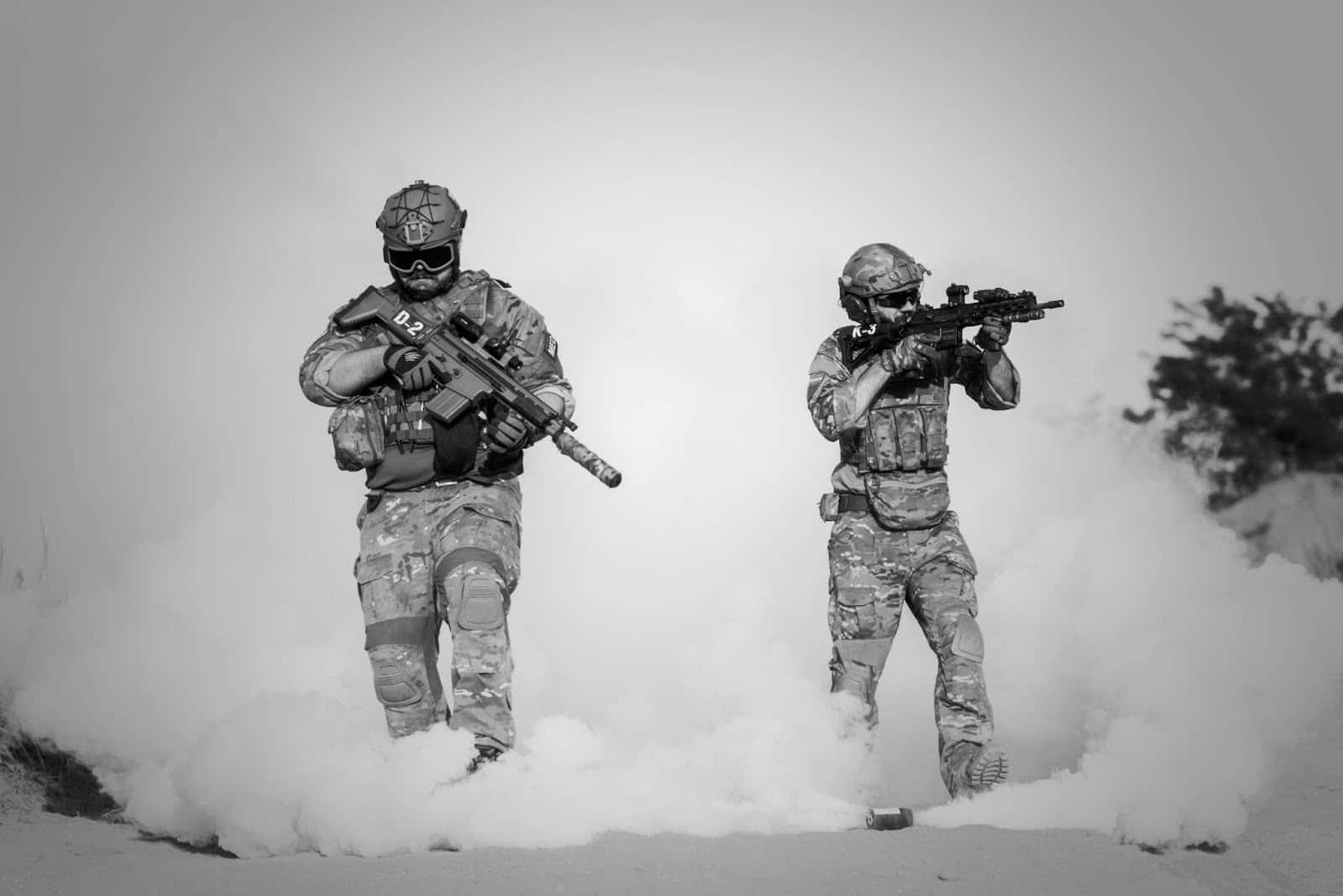
War is horrible for all involved, and anyone who comes face-to-face with this harsh reality is at risk of not being able to cope even when it’s all over. While military personnel go through rigorous training to withstand the immense pressure and stress associated with battle, this can only do so much.
After spending months on the battlefield, transitioning back to civilian life is often too stark a contrast, and performing seemingly mundane daily tasks after having lived life a very different way can seem incomprehensible.
Unfortunately, this concept is only really the tip of the iceberg. PTSD (Post-Traumatic Stress Disorder) often accompanies the inability to adapt to normal life and occurs when the person relives the flashbacks of war through anxiety, nightmares, and periodic mental breakdowns. Understandably, this severely affects their ability to live normally, and this sort of mental torment is responsible for the high suicide rates we see among veterans.
Of course, there’s also a matter of physical disability. Many ex-military personnel are left with serious, life-changing battle wounds, which, when combined with the above, compound the issue further.
PTSD is also often accompanied by substance abuse. As the person tries to numb the pain, they may turn to alcohol and other drugs. This is in an attempt to self-medicate and make life just a little more bearable. Still, invariably, it leads to addiction, which adds another element to an already complex problem.
It should be clear by now that both the mental and physical toll war takes is a multifactorial issue, requiring the dedicated help of several different professionals, friends, and loved ones to help the individual get through it.

Image credit: Pexels
Seeking Help: A Crucial First Step
As is the case with anyone who requires rehabilitative intervention, no significant strides towards a better future can be made until the person admits they need help and reaches out for it. This road can represent a long journey; it’s a tough realization for anyone who needs rehabilitation, but perhaps especially for those in the military, given the sentiments of strength and resilience drilled into them during training.
If you have a loved one who is experiencing the scenarios detailed above, make sure you’re there to catch them when they fall. It’s common for victims to feel no one is there for them despite the contrary, and often, the first step of admittance comes from a willingness to be vulnerable with a close friend or family member.
Simply being a listening ear at first can make a world of difference, and if you start to see the problem unfolding. Still, your loved one is currently reluctant to speak about it, there are a couple of other things to bear in mind beyond a foundation of emotional support:
Education
It’s a good idea to educate yourself thoroughly on the topic before the person reaches out. This will arm you with the knowledge you need as you approach the road ahead together with the victim and enable you to start on a strong foundation.
Encouragement
Your support for the person will start as a compassionate listener, but there will come a point where you’ll need to encourage them slowly to seek help.
Overcoming Stigma
Your role as a supportive friend and loved one will involve helping break down the stigma associated with getting help. As touched on briefly above, it’s natural for candidates for psychological help and rehabilitation to deny the need for it, and a lot of this has to do with admittance being perceived as a sign of weakness.
Psychologists and counselors will tackle this matter head-on as part of any worthwhile rehabilitation program, but there’s a lot you can do to help your loved one get there.
Once the topic comes up, explain that seeking help is a sign of strength: it takes an immense amount of courage to do so, and hearing these words first from someone the person trusts can be invaluable.
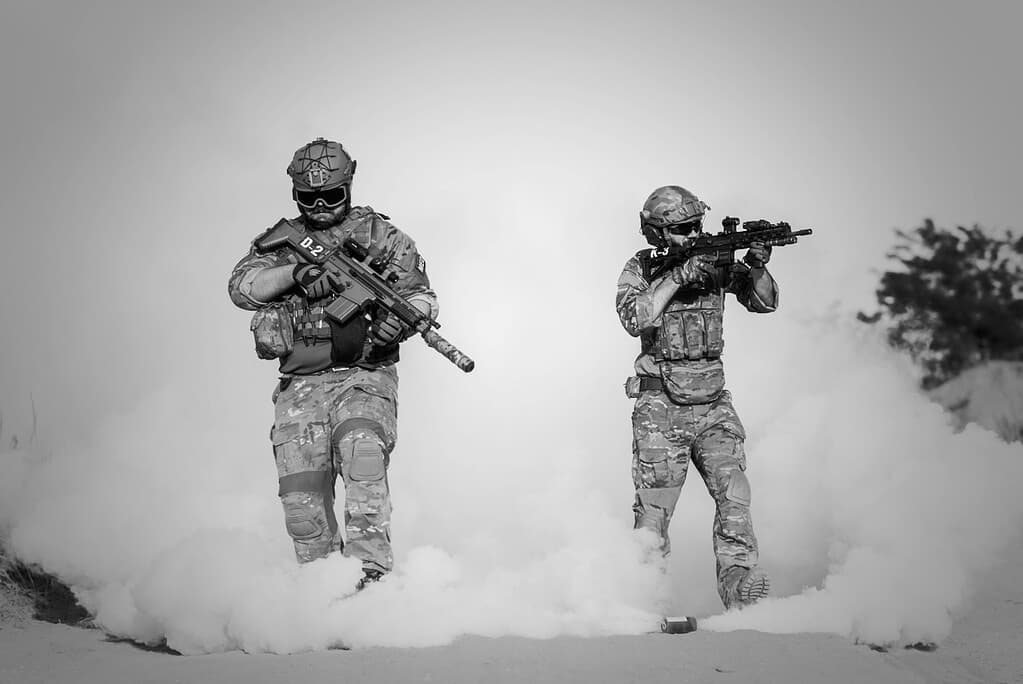
Image credit: Pexles
How Veteran-Specific Rehab Works
As with any adequately formulated rehabilitation program, veteran-specific programs (also known as va rehab) comprise many elements that attack the problem from all angles and provide a holistic solution. There are three main types to consider:
Inpatient Rehabilitation: This type of rehab requires the person to stay at a residential center for several weeks to several months. This is the most ‘intense’ form of rehab and also one of the most effective, given that the person has 24/7 support. It can be beneficial for those with coexisting and compounding problems of substance abuse, given that the person is in a controlled environment to best prevent relapse.
Outpatient Rehabilitation: With this type of rehabilitation, the person can live at home and attend their scheduled sessions that are part of the program at the center. This form is usually reserved for cases that are not quite as severe and don’t need continuous on-demand aid. Outpatient programs can also be utilized as part of a phasing-out period, whereby the person has undergone inpatient therapy and is ready to move to a more relaxed methodology.
Hybrid Programs: There’s also the option for a hybrid approach that combines elements of both inpatient and outpatient rehabilitation programs. This is where the person stays at a more relaxed, community-orientated accommodation, which offers more freedom than traditional inpatient clinics but with more support than outpatient programs. In this instance, veterans live amongst others in the program, and there’s usually a greater focus on group activities.
Types of Therapy
Many different types of therapeutic modalities are used for rehabilitating veterans:
Cognitive Behavioral Therapy (CBT): CBT is the gold standard form of psychotherapy for many different disorders, one of which is resolving trauma associated with PTSD or getting to the root of substance abuse. It’s a versatile treatment focusing on cognitive distortions or negative thinking patterns and the following destructive behaviors. CBT helps veterans identify what’s happening in their heads and organize their thoughts into manageable chunks. All behaviors are driven by thoughts, so CBT is about cutting out any compulsive behavioral patterns so as not to perpetuate a vicious cycle.
Group Support Sessions: Group support sessions can be invaluable tools for a struggling veteran. They work by bringing other people affected by the same issues together with a mediator to share each other’s experiences. Given how lonely and isolated veterans can feel returning to the real world, having other people to talk to who have been through similar experiences can be extremely helpful. Group sessions often continue after formal rehabilitative methods have ended and the person is considered ‘recovered.’
Eye Movement Desensitization and Reprocessing (EMDR): EMDR is a trauma-related therapy that involves guiding the patient through an array of specialized eye movements as they recall the past events that troubled them. The goal is to enable them to confront the troubling memories and alleviate the symptoms of PTSD.
Medication-Assisted Treatment (MAT): MAT is precisely what it sounds like – it revolves around augmenting the above therapies with medications designed to control cravings associated with substance withdrawal. While psychotherapy is the primary mode of treatment, medications like this go a long way in taking the edge off when things inevitably get rough. Medication often forms part of a dual diagnosis approach, which aims to tackle several conditions concurrently. It can also ease a person back into normal life once the rehabilitation program has finished.
Of course, there are other treatment methods, but the above represent the main forms of treatment you’ll encounter at most dedicated clinics that treat veterans. Beyond this, good clinics work on fostering a safe, calming environment so that the person feels at ease—a key element considering the constant high levels of anxiety many people face.
Wrapping Up
Ultimately, any rehabilitation is a long road encompassing many complex moving parts. Healing the mental wounds of war is bound to take a long time, and your loved one will need a dedicated support network consisting of compassionate professionals and caring friends and family.
Specialized programs dedicated to working with veterans offer a level of care seldom delivered through any other medium, and with enough time, anyone can regain their freedom from mental prison.
Other Posts That May Interest You

Shattered Moments in Life: Holding Onto Faith When Nothing Makes Sense

The Strength of Women Through Life Changes

Creating a Nurturing Environment for New Babies

Summer Self-Care Ideas

25 Practical Time Management Tips