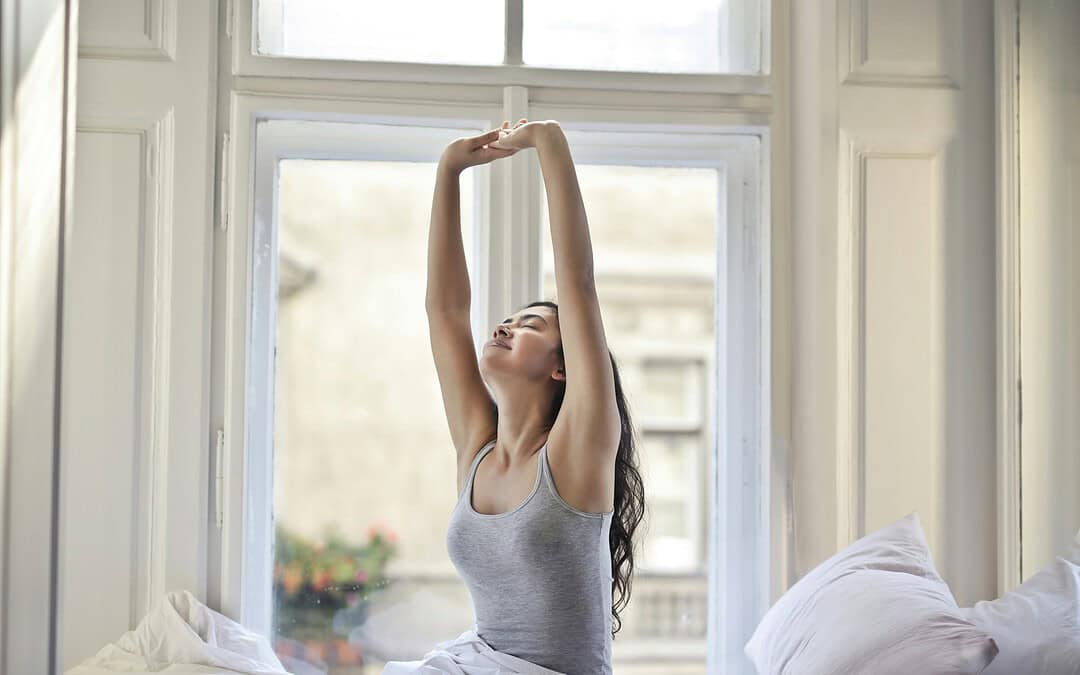
Have you ever reached the end of the day, finally sat down, and realized you were still mentally running through everything you needed to do? The house might be quiet, the day's responsibilities might be finished, but your mind hasn't gotten the message that it's time to relax.
I think that's something many of us can relate to. Between work, family responsibilities, relationships, and everything else life throws our way, finding time to unwind can feel like one more thing we have to squeeze into an already crowded schedule. And isn't that a little ridiculous? We shouldn't have to stress ourselves out trying to figure out how to relax.
The good news is that relaxation doesn't have to look the same for everyone. Some people enjoy meditation, while others would rather take a walk, read a book, or simply sit outside and enjoy a little peace and quiet. Modern approaches to relaxation and personal well-being give us plenty of options. The real challenge is finding what works for our lives instead of trying to follow someone else's idea of the perfect routine.
Start With Your Body’s Stress Signals
One thing I've learned about stress is that our bodies often recognize it before we're willing to admit we're overwhelmed. Maybe your shoulders stay tense, you develop headaches, or you find yourself snapping over little things that normally wouldn't bother you. Sometimes it's lying awake at night thinking about tomorrow's responsibilities when you haven't even finished recovering from today.
These are signs worth paying attention to. There are plenty of stress relievers and tips for dealing with everyday stress, but recognizing when you need them is an important first step. The American Psychiatric Association also shares several relaxation techniques, including deep breathing, meditation, and progressive muscle relaxation.
You don't necessarily need an elaborate routine to start feeling more in control. Sometimes taking two minutes to relax your shoulders, unclench your jaw, and breathe slowly is enough to help you recognize how much tension you've been carrying. Pay attention to when those feelings appear, too. You might discover that checking your email first thing in the morning or spending too much time scrolling through upsetting news affects you more than you realized.
Make Thoughtful Choices About Wellness Products
These days, there's certainly no shortage of products promising to help us relax. Everywhere we look, someone seems to have discovered another way to improve sleep, reduce stress, or create a greater sense of calm. But just because something is marketed as a wellness product doesn't automatically mean it's safe or appropriate for everyone.
For example, some adults choose to use legal cannabis products as part of their personal routines. However, I believe it's important to understand the risks rather than assume these products are harmless. Their effects can vary depending on the amount consumed, individual metabolism, and other factors. Edible products can also take longer to produce noticeable effects, which may lead some people to consume more than intended.
Let me be clear about something: I do not support using cannabis or any other impairing substance while working, driving, operating equipment, or caring for children when impairment could put someone at risk. Being responsible for your own safety and the safety of others should always come first.
There are other considerations worth understanding, too. Anyone concerned about workplace drug testing or how long cannabis compounds remain detectable can learn how long it stays and explore the factors that influence detection times. Keep in mind that detection times and impairment are not the same thing. A person may test positive after the noticeable effects have worn off, and feeling normal doesn't necessarily mean it's safe to drive.
Cannabis products should always be stored securely away from children and pets. It's also important to understand local laws and consult a qualified healthcare professional about potential medication interactions or health concerns, especially during pregnancy.
Ultimately, personal well-being should never come at the expense of personal responsibility. Making informed choices, understanding potential risks, and protecting the people around us matter far more than following the latest wellness trend.
Build a Routine You Can Repeat
I think one of the biggest mistakes we make when trying to improve our well-being is creating routines that sound wonderful on paper but don't fit our actual lives. It's easy to imagine setting aside an hour every evening for relaxation. But what happens when dinner runs late, someone needs your attention, or an unexpected responsibility changes your plans?
Suddenly, that beautiful routine becomes another thing you didn't accomplish. Instead of trying to create the perfect relaxation schedule, start with something small enough that you can realistically repeat it. Maybe it's ten minutes of reading before bed, sitting on the porch after dinner, stretching when you finish working, or enjoying a quiet moment before the rest of the household wakes up.
The key is choosing something that feels refreshing rather than demanding. This daily relaxation guide also explores the importance of finding peaceful habits that fit naturally into everyday life.
Give yourself permission to experiment. What works during one season of life might not work during another, and that's perfectly fine. If a particular activity starts feeling like another chore, change it. Relaxation should help you enjoy your life, not become another responsibility you're struggling to manage.
Use Technology With Clear Limits
Technology has made it easier than ever to find tools that support relaxation and personal well-being. We have guided meditation apps, breathing exercises, sleep recordings, fitness trackers, and reminders encouraging us to take breaks throughout the day. For someone who struggles to slow down, having a gentle reminder can be genuinely helpful.
But there's another side to that convenience.
How many times have you picked up your phone to check one thing and realized twenty minutes later that you're still scrolling? I've certainly found that technology can make it harder to disconnect when there's always another notification, message, or interesting article waiting for our attention.
That's why setting boundaries around technology is just as important as using it wisely. Consider choosing one wellness tool that genuinely helps you rather than downloading several apps you'll probably forget about. You might also experiment with putting your phone away twenty or thirty minutes before bedtime, turning off unnecessary notifications, or keeping electronic devices out of reach during family time.
Technology should make our lives easier. When it starts interfering with our rest, relationships, or peace of mind, it's probably time to reconsider how much access we're giving it to our attention.
Protect Time for Rest and Connection
When we talk about personal well-being, it's easy to focus entirely on activities we do alone. And while having time to ourselves matters, meaningful relationships are another important part of feeling emotionally supported.
Sometimes the most relaxing part of the day isn't sitting quietly by yourself. It might be laughing with your spouse, talking with your children, taking a walk together, or catching up with a friend who understands what you're going through.
Those everyday connections matter more than we sometimes realize.
Of course, maintaining those relationships while protecting your own energy can be challenging. There will always be errands to run, household responsibilities to handle, and people who need something from you. If we're not careful, we can spend so much time taking care of everything and everyone else that we forget we have needs of our own.
This is where boundaries become important. You don't have to answer every message immediately or fill every available hour with another responsibility. Sometimes it's perfectly reasonable to tell your family that you need fifteen minutes to yourself before moving on to the next thing.
And here's something worth remembering: taking time to rest doesn't mean you're neglecting the people you love. It means you're recognizing that your well-being matters, too.
Keep Your Plan Flexible
Life has a way of changing our plans, doesn't it? Just when we think we've settled into a comfortable routine, something unexpected comes along and rearranges everything. That's why I believe flexibility is one of the most important parts of creating healthier relaxation habits.
Some days, getting outside and moving your body might be exactly what you need. Other days, you may be physically exhausted and find that a warm shower, a good book, or going to bed earlier feels much better. Neither approach is wrong.
What matters is learning to recognize what you need instead of forcing yourself to follow a routine that no longer fits your circumstances.
It's also important to recognize when everyday relaxation techniques aren't enough. If stress continues for weeks, affects your ability to manage daily responsibilities, or comes with ongoing sadness, panic, or significant sleep problems, reaching out to a licensed healthcare professional is a sensible step. Personal relaxation habits can support your well-being, but they aren't a replacement for appropriate care.
I've come to believe that taking care of ourselves isn't about creating a picture-perfect lifestyle. It's about finding little ways to make the life we're already living feel more manageable. Some days that might mean taking a long walk. Other days, it might mean giving yourself permission to leave the dishes until morning and spend a little extra time with your family.
We all go through seasons when life demands more from us than we'd like. Having a few simple ways to slow down can make those seasons easier to navigate.
I'd love to hear from you. What's one thing you do to relax when life starts feeling overwhelming?
Do you have a favorite routine, or are you still trying to figure out what works best for you? Share your thoughts in the comments. Sometimes the simplest ideas are the ones that help someone else the most.